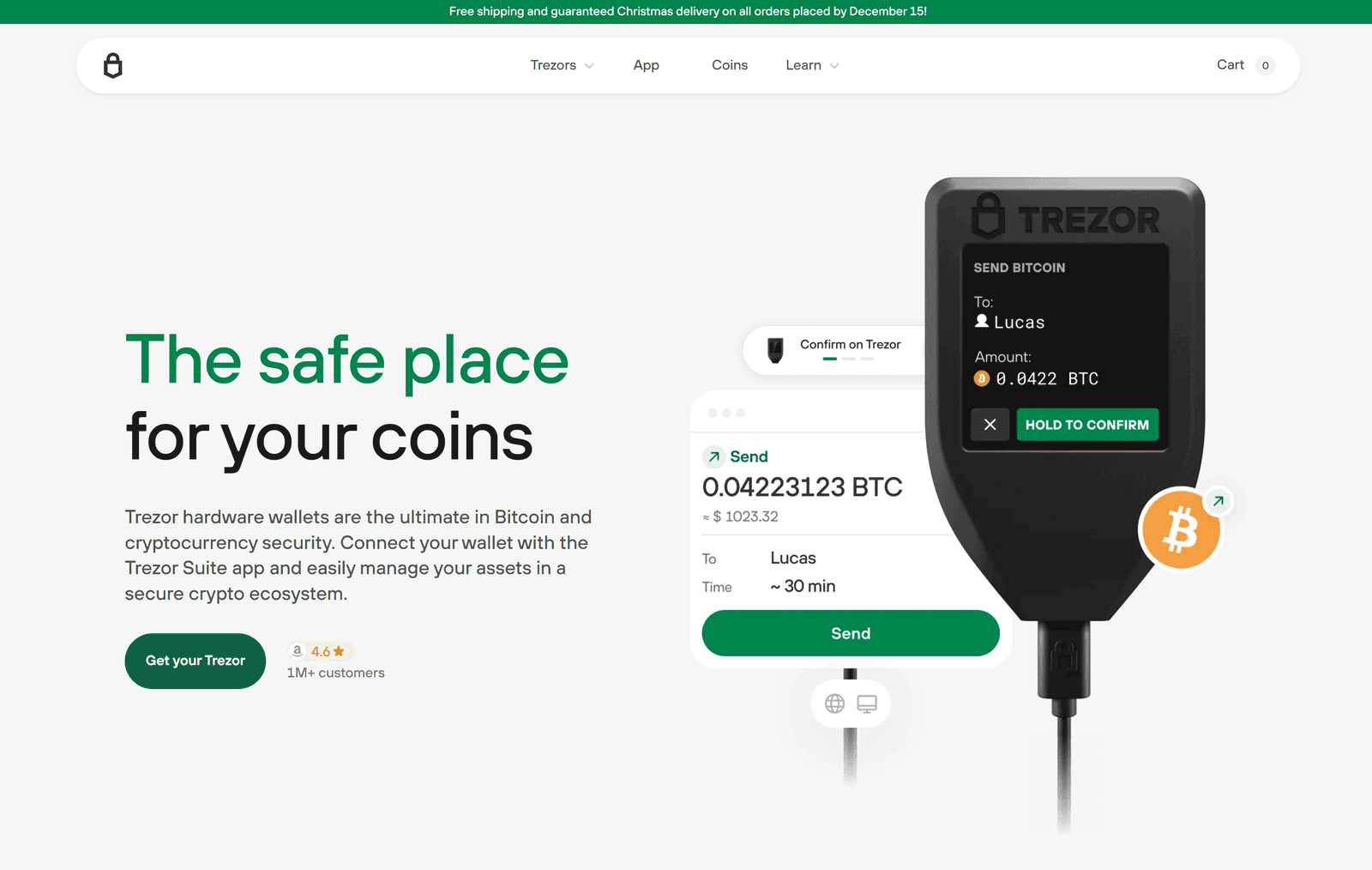
🔒 The Art of the Trezor Login: Your Ultimate Guide to Hardware Wallet Security
In the world of cryptocurrency, security is paramount. While many wallets rely on passwords and two-factor authentication, a hardware wallet like Trezor takes security to a whole new level. It keeps your most valuable asset—your private key—completely offline. But how do you actually access your funds?
Logging into a Trezor Wallet is fundamentally different from logging into a typical online account. It’s less about a password and more about a physical key and a secure, offline authentication process. This guide will walk you through the secure steps of accessing your Trezor using its official interface, Trezor Suite, and explain why this process is the gold standard for crypto security.
🔑 Trezor's Philosophy: Keys Offline, Security Online
Before diving into the steps, it’s vital to understand the core security concept: Your private keys never leave the Trezor device.
When you "log in" to your Trezor, you are not sending your private key to the computer or the internet. Instead, you are unlocking the device to allow it to securely sign transactions internally. The Trezor Suite application (desktop or web) acts only as a secure window to view your balances and prepare transactions.
This hardware-based authentication ensures that even if your computer is compromised with malware or a keylogger, your funds remain safe because your private keys are in cold storage.
💻 Step-by-Step: The Secure Trezor Login Process
Accessing your wallet is done exclusively through the Trezor Suite application. While older methods existed, Trezor Suite is the official, recommended, and most secure interface.
Step 1: Connect Your Trezor and Launch Trezor Suite
Open Trezor Suite: Download and install the official Trezor Suite desktop application from the official Trezor website, or navigate to the official Trezor Suite web application (always double-check the URL). The desktop app is generally recommended for enhanced privacy and security.
Connect Your Device: Plug your Trezor hardware wallet (Model One, Model T, or Safe 3) into your computer using a USB cable. Trezor Suite will immediately detect the device and initiate the login sequence.
Step 2: Enter Your PIN on the Device
PIN Prompt: Trezor Suite will prompt you to enter your PIN. This is the numeric code you set up during the initial device setup.
Scrambled Keypad: A crucial security feature is the randomized keypad. On your computer screen, you will see an empty $3 \times 3$ grid of dots or circles. Simultaneously, your Trezor device screen will display the actual numbers corresponding to the grid positions.
Enter PIN Securely: You must look at your Trezor device to see which number corresponds to which position on the computer screen's grid. Then, you use your mouse to click the corresponding position on the computer screen.
Why this matters: By entering the PIN based on the Trezor screen's randomized layout, you defeat keyloggers and screen-recording malware, as the position of each digit changes every time you log in.
Step 3: Use Your Passphrase (If Enabled)
Passphrase is Optional: If you enabled the optional Passphrase feature—often referred to as the 25th word—Trezor Suite will prompt you to enter it.
Enter Passphrase: The passphrase is a custom word or phrase that you enter on your computer's keyboard. This creates a "hidden" or secondary wallet for even greater security.
Critical Warning: The passphrase is never stored on the Trezor device or Trezor's servers. If you forget your passphrase, the funds secured by it are permanently lost. If you lose your Trezor, you need both your recovery seed and your passphrase to restore your hidden wallet.
Step 4: Access Granted
Once the PIN (and optional Passphrase) is correctly entered, the Trezor device is unlocked, and Trezor Suite synchronizes with the blockchain. You now have secure, read-and-write access to your wallet, allowing you to:
View your portfolio and account balances.
Generate new receiving addresses.
Prepare transactions (send crypto).
✨ Security Features That Make Trezor Logins Unbreakable
The Trezor login procedure is designed to protect against the most common crypto threats:
Offline Private Keys: Your secret master key never touches the internet, eliminating the risk of online hacking, phishing, and malware attacks aimed at key theft.
On-Device Confirmation (Trusted Display): For any sensitive action—including sending crypto or generating a new address—you must physically verify the details and confirm the action by pressing a button on the Trezor screen. This prevents malware from tampering with the transaction details you see on your computer.
Randomized PIN Entry: As detailed in Step 2, the unique PIN entry mechanism defeats keyloggers and other sophisticated surveillance software.
Passphrase Protection (Hidden Wallets): The passphrase acts as a separate layer of security. If your main wallet is somehow compromised, an attacker would still not have access to the funds secured by your passphrase without knowing that specific, secret word.
🛑 What to Never Do During a Trezor Login
To maintain the integrity of your security, adhere to these non-negotiable rules:
NEVER enter your Recovery Seed: Your 12, 18, or 24-word recovery seed (the master backup) is only to be used for emergency recovery on a brand-new or wiped Trezor device. If any website or application asks for your recovery seed during a normal login, it is a scam.
NEVER enter your PIN on your computer's normal number pad: Only use the scrambled grid provided in the Trezor Suite interface, guided by the numbers displayed on your physical Trezor screen.
NEVER download Trezor Suite from a third-party link: Only use the official link on
trezor.io/suiteto avoid downloading compromised software.
The Trezor login process is a deliberate exercise in physical security. By requiring your physical device and your offline PIN/Passphrase, it ensures you remain the sole custodian of your digital wealth. It’s a multi-step routine, but it's the security trade-off that millions of crypto users trust for peace of mind.